

Committees
Our committees are at the heart of the Minoritised Life Scientists Future Forum’s (MLSFF) mission to create an inclusive and transformative event for the life sciences. Comprised of experts, leaders, and passionate advocates, these committees guide the strategic vision, programme development, and community outreach that bring the conference to life. If you’re interested in joining the Planning Committee and contributing to the MLSFF’s impact, please complete the form at the bottom of this page.
Steering Committee
The Steering Committee is responsible for setting the strategic direction and overseeing the overall coordination of the Minoritised Life Scientists Future Forum. This committee ensures that the conference aligns with its mission to support scientists from marginalised and under-represented backgrounds.
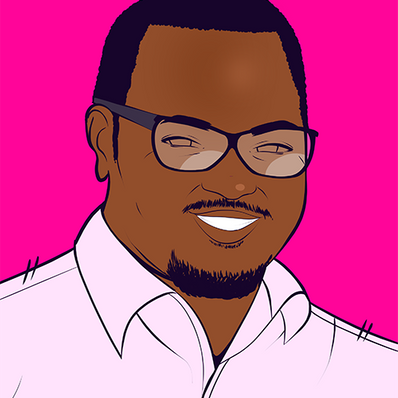
Emmanuel Adukwu
Emmanuel Adukwu is a Senior Leader in the Higher Education sector, currently serving as Dean for Students and Professor of Applied Microbiology specialising in microbiology, public health, and science education. Emmanuel graduated with a BSc in Biomedical Sciences, a Masters by Research in Biomedical Science and a PhD in Applied Microbiology. Between his MRes and PhD, Emmanuel joined ICON Development Solutions (ICON Plc) working in the clinical unit coordinating multiple clinical trial projects across different therapeutic areas. Emmanuel's academic background is in the life sciences, with expertise and research leadership in applied microbiology and a strong student-centred philosophy that informs both his leadership practice and engagement with the wider scientific community. He is actively involved in advancing microbiology and supporting the future of the discipline through sector-wide service and has been recognised for his work as the Royal Society of Biology Bioscience Teacher of the Year in 2023.
Emmanuel holds multiple roles; Member of the Board of Trustees at Applied Microbiology International (AMI), Member on the Black in Biomedical Research Advisory Group (BBRAG) and long standing committee member of the Africa initiative Group for Microbiology (AIG). He is also a Member, American Society for Microbiology (ASM) Committee for Maximising Opportunities Through Education where he is a mentor on the ASM Future Leaders Mentoring programme designed to support master's and doctoral graduate students from underrepresented groups, to receive mentorship in navigating their educational and career trajectories and leadership development.
He is actively involved in supporting underrepresented communities in academia and the life sciences, with a strong commitment to improving the retention and progression of Black early-career academics. He is dedicated to creating a more inclusive and supportive academic environment, particularly within the life sciences, and contributes significantly to initiatives that address diversity and equity in higher education. Emmanuel is passionate about increasing access to science in the community and general public and regularly participates in school visits, careers events, community events in the UK and internationally. This also includes several multimedia engagements on radio/podcasts etc.

Shana Owen
Shana Owen has over 15 years of experience in business development, digital transformation, operational management and marketing, across various industries including pharmaceutical and healthcare. With a strong foundation in applied health and social sciences, Shana is deeply committed to advancing diversity, equity, and inclusion within the life sciences sector. Her expertise in AI, big data, and digital innovation complements her passion for creating opportunities that drive meaningful change.
Beyond her professional achievements, Shana is an advocate for collaboration and mentoring, supporting individuals and organisations to reach their full potential. She also has a love for art, particularly the works of Banksy, and is dedicated to building a more inclusive and sustainable future in science.

Oluwadamilola Okeyoyin
Dr Oluwadamilola Okeyoyin is a biomedical researcher, creative innovator, and Lecturer in Biological Sciences at the University of the West of England UWE Bristol. Through her research, she investigates how indigenous plant medicines including herbal teas influence the human microbiome, metabolism, and gut volatile compounds. She is Co-Founder of Keyowa, a creative studio using animation and immersive technologies to make science accessible to diverse communities.
Dami serves as an accountability partner on the University of Bristol Reparative Justice Boards, championing equity, and institutional change. She has held leadership roles including Vice President Education of The Students Union at UWE, Lead School Representative for Applied Sciences and Teaching Excellence Framework Panellist with the Office for Students. Her commitment to representation and student advocacy earned recognition in the UWE Students Union Celebrating Culture Hall of Fame. She has also managed the NIHR INSIGHT Southwest Central Collaboration and led the UWE and NHS Diverse Internship Project, widening placement access for marginalised students.
As Outreach, Engagement and Social Impact Lead and Co-Chair of the Marketing Committee for the Minoritised Life Scientists Future Forum, Dami drives national outreach and visibility for underrepresented researchers. She speaks (TEDx talk) and writes on race equity, mental health, cultural identity and community centred science, and is committed to widening participation, shaping inclusive research cultures, and ensuring minoritised scientists thrive across academia and industry.
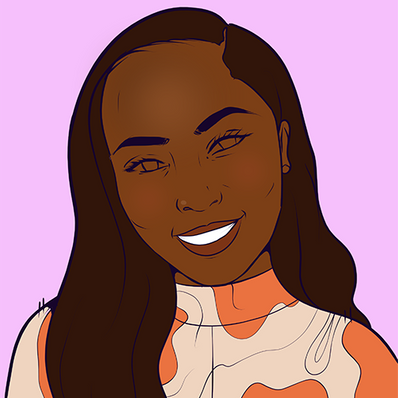
Afua Acheampong
Afua Acheampong is Head of the Black Internship Programme at Health Data Research UK (HDR UK), where she leads the strategic design, delivery and expansion of a national programme focused on improving access, equity and career development for Black students and graduates in health data science.
She is a national Equality, Diversity and Inclusion leader, strategist and speaker with over seven years’ experience advancing racial equity across higher education and research institutions. Afua is the creator of the Nottingham Trent University Black Leadership Programme, a nationally recognised initiative she designed whilst Vice President of Education at Nottingham Trent Students’ Union. Created in 2019, the programme has supported and graduated over 800 Black students, and continues to support students in building confidence, leadership capability and a strong sense of belonging. Today, the programme remains a leading model for inclusive practice in Higher Education.
Afua most recently led race equality at Queen Mary University of London, where she secured the institution’s first Race Equality Charter award. Her practice focuses on institutional culture change, increasing representation of minoritised staff, and embedding race equity across policy and leadership.
At a national level, Afua is Deputy Chair of the Black in Biomedical Research Advisory Group (BBRAG), a national Medical Research Council board overseeing investment into racial equity in biomedical research. She serves as Finance Chair of the Minoritised Life Scientists Future Forum (MLSFF), where she leads financial oversight and governance for the conference. Previously, Afua sat on the Office for Students Teaching Excellence Framework Advisory Board.
Afua holds a degree in Law (LLB) from Nottingham Trent University and completed study abroad at Western Washington University, studying Political Science.
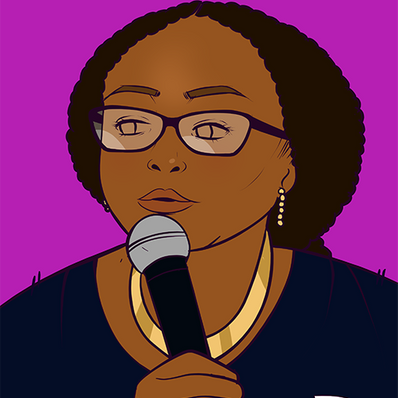
Amara Anyogu
Dr Amara Anyogu is a widening participation educator who is intentional about building learning environments where learners from diverse backgrounds can achieve their academic and career goals. Having accessed higher education as the so-called ‘non-traditional’ student, she is committed to building communities and supporting initiatives focused on increasing the participation and success of underrepresented groups in science.
Amara is a Senior Academic Mentor in the School of Human Sciences at London Metropolitan University. She is also a member of the Biosciences Awarding Gap (BAG) Network, an advisory group to the Royal Society for Biology’s Heads of University Biosciences and co-founded the Nigerian Applied Microbiologists (NAM) Network.
Amara’s expertise in food microbiology is demonstrated through her research, which focuses on the intricate interactions between microorganisms in food environments and their crucial role in improving food security. Her work includes improving food safety and nutrition through beneficial microbes in indigenous fermented foods and addressing antimicrobial resistance in the food chain.

Nicholas Farmer
Nicholas Farmer serves as the Race Equality Lead at the Medical Research Council (MRC), where he plays a pivotal role in advancing race equity across the biomedical research sector. With a focus on addressing the underrepresentation of researchers from marginalised backgrounds, Nicholas is instrumental in driving systemic change within the MRC and the wider UK Research and Innovation (UKRI) community.
Nicholas is deeply committed to creating a more inclusive environment in science, working on initiatives that promote equity, diversity, and inclusion (EDI) at all levels. He has been a key figure in developing the 'Black in Biomedical Research' project, which aims to create new opportunities and support systems for Black researchers in the field. His work includes coordinating new fellowship programmes, funding school outreach opportunities for pre-university students, and building partnerships across the research and innovation sector to foster a collaborative approach to race equality.
With a background that combines extensive experience in project management and a deep understanding of D&I challenges, Nicholas is dedicated to ensuring that race equality actions are informed by robust data and meaningful stakeholder engagement. His efforts are not just about policy but about creating tangible, lasting changes that will benefit future generations of scientists.
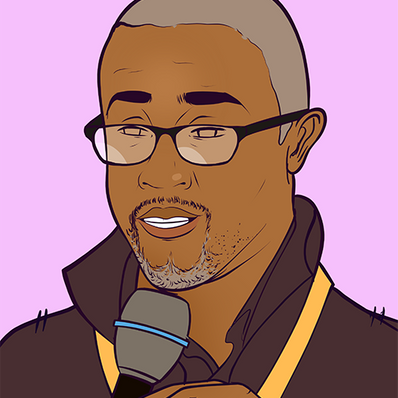
Donald Palmer
Donald has a BSc in Medical Sciences from Bradford University, MSc in Immunology at King's College London (KCL) and a PhD from MRC, Clinical Sciences Centre. As a post-doc, Donald worked in laboratories at Cancer Research UK and Imperial College London; in the latter he successfully obtained an MRC Career Development Award. He joined the Royal veterinary College (RVC), University of London in 2002 and is currently an Associate Professor in Immunology. Donald is also an Honorary Senior Lecturer in Immunology at Imperial College London, Visiting Lecturer at Cambridge University and University of East London and a Visiting Fellow for Reuben College, University of Oxford (one of the College’s inaugural Visiting Fellows).
His main research interest is focused on understanding the effect of age on the immune system and he teaches on several undergraduate and postgraduate courses, and also supervises undergraduate and postgraduate research projects. He is on the Editorial Board of various scientific journals and is currently a member of the British Society for Immunology (BSI) and the British Society for Research on Ageing. Donald was previously the Education and Careers Secretary for the BSI, a post he held for four years until June 2024.
Donald is deeply committed to promoting diversity and inclusion within academia and beyond, being actively involved in initiatives at his university along with being a member of both the MRC Black in Biomedical Research Advisory Group which among its aim is to advise MRC on equality and diversity-related, and Health Data Research UK Black Intern Programme Advisory Group, which aims to provide employment opportunity for Black people within the health data science sector.
Donald is passionate about increasing scientific awareness amongst the general public and fellow scientist, and also to encourage young people to consider a career in science by regularly contributing to public engagement activities, speaking at schools, colleges, community events and scientific festivals. He also actively participates in the university’s widening participation events. Donald is also Co-Founder/Co-Director of Reach Society, an award-winning social enterprise which aims to inspire young people to fulfil their potential. Donald is a Professional Mentor for Amos Bursary and the Chair of Governors at a school in North-West London.
Organising Committee
The Organising Committee shapes the content, engagement, and social impact of this event. This team is responsible for developing a rich and inclusive academic programme, building connections with diverse communities, and ensuring that the conference has a lasting impact on the life sciences.
Afua Acheampong
Afua Acheampong is Head of the Black Internship Programme at Health Data Research UK (HDR UK), where she leads the strategic design, delivery and expansion of a national programme focused on improving access, equity and career development for Black students and graduates in health data science.
She is a national Equality, Diversity and Inclusion leader, strategist and speaker with over seven years’ experience advancing racial equity across higher education and research institutions. Afua is the creator of the Nottingham Trent University Black Leadership Programme, a nationally recognised initiative she designed whilst Vice President of Education at Nottingham Trent Students’ Union. Created in 2019, the programme has supported and graduated over 800 Black students, and continues to support students in building confidence, leadership capability and a strong sense of belonging. Today, the programme remains a leading model for inclusive practice in Higher Education.
Afua most recently led race equality at Queen Mary University of London, where she secured the institution’s first Race Equality Charter award. Her practice focuses on institutional culture change, increasing representation of minoritised staff, and embedding race equity across policy and leadership.
At a national level, Afua is Deputy Chair of the Black in Biomedical Research Advisory Group (BBRAG), a national Medical Research Council board overseeing investment into racial equity in biomedical research. She serves as Finance Chair of the Minoritised Life Scientists Future Forum (MLSFF), where she leads financial oversight and governance for the conference. Previously, Afua sat on the Office for Students Teaching Excellence Framework Advisory Board.
Afua holds a degree in Law (LLB) from Nottingham Trent University and completed study abroad at Western Washington University, studying Political Science.
Amara Anyogu
Dr Amara Anyogu is a widening participation educator who is intentional about building learning environments where learners from diverse backgrounds can achieve their academic and career goals. Having accessed higher education as the so-called ‘non-traditional’ student, she is committed to building communities and supporting initiatives focused on increasing the participation and success of underrepresented groups in science.
Amara is a Senior Academic Mentor in the School of Human Sciences at London Metropolitan University. She is also a member of the Biosciences Awarding Gap (BAG) Network, an advisory group to the Royal Society for Biology’s Heads of University Biosciences and co-founded the Nigerian Applied Microbiologists (NAM) Network.
Amara’s expertise in food microbiology is demonstrated through her research, which focuses on the intricate interactions between microorganisms in food environments and their crucial role in improving food security. Her work includes improving food safety and nutrition through beneficial microbes in indigenous fermented foods and addressing antimicrobial resistance in the food chain.
Donald Palmer
Donald has a BSc in Medical Sciences from Bradford University, MSc in Immunology at King's College London (KCL) and a PhD from MRC, Clinical Sciences Centre. As a post-doc, Donald worked in laboratories at Cancer Research UK and Imperial College London; in the latter he successfully obtained an MRC Career Development Award. He joined the Royal veterinary College (RVC), University of London in 2002 and is currently an Associate Professor in Immunology. Donald is also an Honorary Senior Lecturer in Immunology at Imperial College London, Visiting Lecturer at Cambridge University and University of East London and a Visiting Fellow for Reuben College, University of Oxford (one of the College’s inaugural Visiting Fellows).
His main research interest is focused on understanding the effect of age on the immune system and he teaches on several undergraduate and postgraduate courses, and also supervises undergraduate and postgraduate research projects. He is on the Editorial Board of various scientific journals and is currently a member of the British Society for Immunology (BSI) and the British Society for Research on Ageing. Donald was previously the Education and Careers Secretary for the BSI, a post he held for four years until June 2024.
Donald is deeply committed to promoting diversity and inclusion within academia and beyond, being actively involved in initiatives at his university along with being a member of both the MRC Black in Biomedical Research Advisory Group which among its aim is to advise MRC on equality and diversity-related, and Health Data Research UK Black Intern Programme Advisory Group, which aims to provide employment opportunity for Black people within the health data science sector.
Donald is passionate about increasing scientific awareness amongst the general public and fellow scientist, and also to encourage young people to consider a career in science by regularly contributing to public engagement activities, speaking at schools, colleges, community events and scientific festivals. He also actively participates in the university’s widening participation events. Donald is also Co-Founder/Co-Director of Reach Society, an award-winning social enterprise which aims to inspire young people to fulfil their potential. Donald is a Professional Mentor for Amos Bursary and the Chair of Governors at a school in North-West London.
Emmanuel Adukwu
Emmanuel Adukwu is a Senior Leader in the Higher Education sector, currently serving as Dean for Students and Professor of Applied Microbiology specialising in microbiology, public health, and science education. Emmanuel graduated with a BSc in Biomedical Sciences, a Masters by Research in Biomedical Science and a PhD in Applied Microbiology. Between his MRes and PhD, Emmanuel joined ICON Development Solutions (ICON Plc) working in the clinical unit coordinating multiple clinical trial projects across different therapeutic areas. Emmanuel's academic background is in the life sciences, with expertise and research leadership in applied microbiology and a strong student-centred philosophy that informs both his leadership practice and engagement with the wider scientific community. He is actively involved in advancing microbiology and supporting the future of the discipline through sector-wide service and has been recognised for his work as the Royal Society of Biology Bioscience Teacher of the Year in 2023.
Emmanuel holds multiple roles; Member of the Board of Trustees at Applied Microbiology International (AMI), Member on the Black in Biomedical Research Advisory Group (BBRAG) and long standing committee member of the Africa initiative Group for Microbiology (AIG). He is also a Member, American Society for Microbiology (ASM) Committee for Maximising Opportunities Through Education where he is a mentor on the ASM Future Leaders Mentoring programme designed to support master's and doctoral graduate students from underrepresented groups, to receive mentorship in navigating their educational and career trajectories and leadership development.
He is actively involved in supporting underrepresented communities in academia and the life sciences, with a strong commitment to improving the retention and progression of Black early-career academics. He is dedicated to creating a more inclusive and supportive academic environment, particularly within the life sciences, and contributes significantly to initiatives that address diversity and equity in higher education. Emmanuel is passionate about increasing access to science in the community and general public and regularly participates in school visits, careers events, community events in the UK and internationally. This also includes several multimedia engagements on radio/podcasts etc.
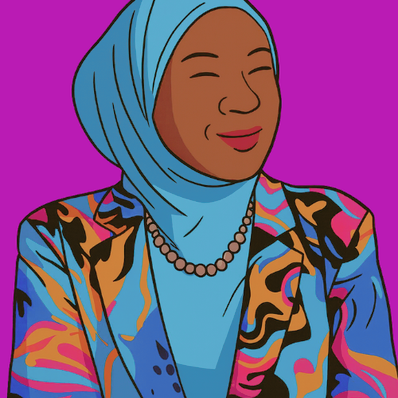
Faatihah Niyi-Odumosu
Faatihah Niyi-Odumosu is a medical doctor and an Associate Professor of Physical Activity and Health Promotion at the University of the West of England, Bristol. She is also a Distinguished Professor of Public Health at MIVA University, Nigeria, and the Founder and Director of the Ageing Lifestyle in Blacks and Asians (ALIBSA). Her research focuses on the multidisciplinary approach to promoting human health with interest in the older adults and in patients with chronic kidney disease. She is interested in addressing health inequalities through primary research including participatory research: patient and public involvement and engagement.
Nicholas Farmer
Nicholas Farmer serves as the Race Equality Lead at the Medical Research Council (MRC), where he plays a pivotal role in advancing race equity across the biomedical research sector. With a focus on addressing the underrepresentation of researchers from marginalised backgrounds, Nicholas is instrumental in driving systemic change within the MRC and the wider UK Research and Innovation (UKRI) community.
Nicholas is deeply committed to creating a more inclusive environment in science, working on initiatives that promote equity, diversity, and inclusion (EDI) at all levels. He has been a key figure in developing the 'Black in Biomedical Research' project, which aims to create new opportunities and support systems for Black researchers in the field. His work includes coordinating new fellowship programmes, funding school outreach opportunities for pre-university students, and building partnerships across the research and innovation sector to foster a collaborative approach to race equality.
With a background that combines extensive experience in project management and a deep understanding of D&I challenges, Nicholas is dedicated to ensuring that race equality actions are informed by robust data and meaningful stakeholder engagement. His efforts are not just about policy but about creating tangible, lasting changes that will benefit future generations of scientists.
Oluwadamilola Okeyoyin
Dr Oluwadamilola Okeyoyin is a biomedical researcher, creative innovator, and Lecturer in Biological Sciences at the University of the West of England UWE Bristol. Through her research, she investigates how indigenous plant medicines including herbal teas influence the human microbiome, metabolism, and gut volatile compounds. She is Co-Founder of Keyowa, a creative studio using animation and immersive technologies to make science accessible to diverse communities.
Dami serves as an accountability partner on the University of Bristol Reparative Justice Boards, championing equity, and institutional change. She has held leadership roles including Vice President Education of The Students Union at UWE, Lead School Representative for Applied Sciences and Teaching Excellence Framework Panellist with the Office for Students. Her commitment to representation and student advocacy earned recognition in the UWE Students Union Celebrating Culture Hall of Fame. She has also managed the NIHR INSIGHT Southwest Central Collaboration and led the UWE and NHS Diverse Internship Project, widening placement access for marginalised students.
As Outreach, Engagement and Social Impact Lead and Co-Chair of the Marketing Committee for the Minoritised Life Scientists Future Forum, Dami drives national outreach and visibility for underrepresented researchers. She speaks (TEDx talk) and writes on race equity, mental health, cultural identity and community centred science, and is committed to widening participation, shaping inclusive research cultures, and ensuring minoritised scientists thrive across academia and industry.
Shana Owen
Shana Owen has over 15 years of experience in business development, digital transformation, operational management and marketing, across various industries including pharmaceutical and healthcare. With a strong foundation in applied health and social sciences, Shana is deeply committed to advancing diversity, equity, and inclusion within the life sciences sector. Her expertise in AI, big data, and digital innovation complements her passion for creating opportunities that drive meaningful change.
Beyond her professional achievements, Shana is an advocate for collaboration and mentoring, supporting individuals and organisations to reach their full potential. She also has a love for art, particularly the works of Banksy, and is dedicated to building a more inclusive and sustainable future in science.