MLSFF ignited a fire in me - Toyosi Sanni reveals how the event changed her life
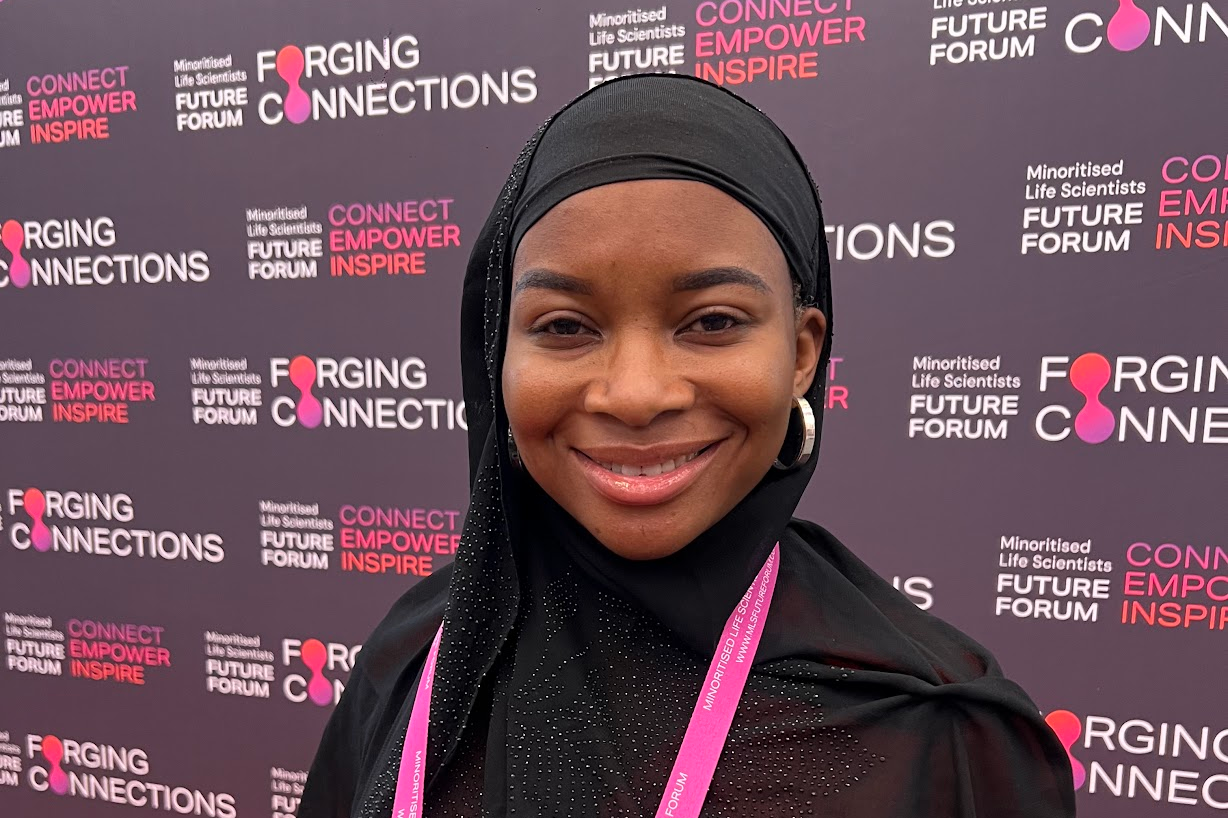
Tell me about your background?
I am a Validation Engineer with a Bachelor degree in Pharmaceutical Science and a Bachelors (Hons) in Biopharmaceutical Science. I am currently studying for a Master’s in Process Validation and Regulatory Affairs at Technological University of the Shannon (Midwest) in Ireland. My work has always been about one thing: making sure that the systems and products patients rely on are safe, effective and truly fit for purpose.
Alongside my technical career, I care deeply about people, representation and community. I am the Founder of The Networked Mind, a global community space that explores how networking, AI and systems thinking can shape the way professionals learn, grow and lead. I also write and create content as a Contributing Writer with the African Professional Network of Ireland, amplifying the voices and stories of African professionals in Ireland.
I am a Black Irish woman, a Nigerian, and a mother. Those three parts of my identity shape how I show up in life sciences. I am not only building a career for myself - I am also opening doors for the people coming after me, including my daughter.
What drew you to come along to MLSFF?
I first came across the Minoritised Life Scientists Future Forum (MLSFF) on LinkedIn. I remember reading the description and feeling an immediate pull.
It was one of the first conferences I had seen in Europe that centred minoritised life scientists and made diversity, equity and visibility the heart of the programme, not an afterthought.
Still, I hesitated. I was in Ireland, the forum was in Birmingham and I did not know a single person in the room. In the end I trusted the feeling that this was a space I could not afford to miss. I booked an early flight from Dublin to Birmingham on my own and decided that if I wanted to grow, I had to be willing to sit in spaces that scared me a little.
MLSFF is needed because talent is everywhere, but opportunity is not. It gives students, early career professionals and senior scientists from minoritised backgrounds a place where they do not have to explain their existence before they can talk about their science or their ambitions. It shows us what is possible when people feel seen, heard and valued.
What did you think of it?
MLSFF was more than a conference for me. It was a turning point.
The moment I arrived at the ICC in Birmingham, I felt that I had walked into a room that had been designed with people like me in mind. The programme, the speakers and even the conversations in the corridors carried the same message: you belong here, your work matters and there is space for you in the future of science. For the first time in a long time I felt seen, heard and celebrated.
I left with something deeper than notes. I left with a renewed sense of confidence and a clearer picture of what my own path could look like. Every single inspiring moment, story, people from the event will always hold a special place in my heart as they ignited a fire in me that day. I remember feeling such a huge sense of relief to have found my answers and determination to share my experience with the rest of the Irish community.
What did you find most impactful?
Several parts of the forum stayed with me.
The first was the courage it took to even show up. Before I attended, I reached out on LinkedIn to some of the organisers and contributors whose names stood out to me, including Professor Emmanuel Adukwu, Oluwadamilola Racheal Okeyoyin and Nicholas Farmer. I sent simple messages introducing myself, sharing my interest and asking a few questions. They did not just respond, they welcomed me. That kindness removed a lot of the fear I felt about travelling to a city where I knew no one and walking into a room full of strangers.
Inside the forum, I was deeply impacted by:
· Honest conversations about health equity, identity, visibility and leadership in science.
· The exhibition spaces, where organisations showed real commitment to inclusive recruitment and development rather than just speaking about it.
· The mix of voices: students, early career professionals, senior academics and industry leaders in one place, speaking with each other rather than over each other.
It felt like a living example of what inclusion can look like in practice.
Did it make a difference to your career choices?
Yes, in a very real way.
When I returned to Ireland, I stopped treating my dreams as something I might “one day” pursue. The confidence and clarity I gained at MLSFF helped me move forward with my decision to start my Master’s in Process Validation and Regulatory Affairs. It confirmed that there is a place for someone with my background and my story in regulatory science and validation.
It also changed how I looked at networking. Before the forum, I sometimes saw networking as something reserved for senior level professionals or people who already “belonged.” At MLSFF, I learned that networking is really about intention, courage and showing up. That lesson eventually grew into The Networked Mind, where I now help other professionals see networking as a tool for confidence, collaboration and impact, not just business cards.
The forum did not change my destination, but it changed the way I walk towards it.
What have you been doing since?
A lot has happened since that trip to Birmingham.
I began my Master’s in Process Validation and Regulatory Affairs in Ireland and stepped into student leadership as both a Class Representative and Student Councillor at Technological University of the Shannon. In those roles, I help ensure that student voices, particularly those from underrepresented backgrounds, are heard and included in key decisions.
I founded The Networked Mind, a global community where professionals and change-makers explore how networking, AI and systems thinking can shape the future of work, leadership and collaboration. What I experienced at MLSFF is at the heart of that platform. It showed me how powerful it is when people are given space to connect intentionally, share their stories and support each other’s growth.
I also continued to write and create content through APNI, including the piece “From DMs to Birmingham: How Networking Changed My Career Confidence,” where I shared more openly about how that one decision to get on a plane alone changed how I see myself and my career.
Outside Ireland, I chose to go back to my home country, Nigeria, for work experience with organisations like Professional Shipping and Logistics Ltd in Lagos. That time at home helped me reconnect with my roots, give back locally and see how my skills can serve communities beyond Europe.
All of these steps are part of the same story: using education, networking and community to build a more confident, connected version of myself and to encourage others to do the same.
Why are you volunteering now?
I have recently been confirmed as both an ambassador for the Minoritised Life Scientists Future Forum (MLSFF) 2026 and will be delivering a Professional Development workshop at the conference.
I am volunteering now because I know exactly how it feels to be on the other side of the screen, wondering whether a space like MLSFF is “for someone like me.”
I travelled from Ireland to Birmingham on my own, as a Black Irish woman, a Nigerian and a mother. I walked into that forum carrying questions about my future, my confidence and my place in science. I walked out with answers, encouragement and a community. Volunteering is my way of honouring that gift.
By supporting MLSFF and similar spaces, I hope to be part of the bridge between the UK, Ireland and Nigeria. I want more students and professionals from minoritised backgrounds to know that they are not alone, that their dreams are valid and that there are communities ready to welcome them.
What would you like to see in future events?
Future events already have a strong foundation, especially with early career voices and a rich programme. Looking ahead, I would love to see:
Even more collaboration with organisations and communities in Ireland, especially as our Black and migrant communities here continue to grow. There is a real opportunity to build a stronger bridge between Irish and UK based professionals so that we can learn from each other and grow together. I look forward to being part of that solution.
More use of social media and collaboration with content creators and influencers who understand both science and storytelling. This would help younger people, students and early graduates feel that these forums are not distant conferences, but spaces that genuinely welcome them.
A dedicated session where people who have directly benefitted from MLSFF share their stories in person as speakers, not just in written reflections. As someone who speaks and shares my journey, I know how powerful it is for attendees to hear directly from people who once sat exactly where they are now.
Continued expansion of partnerships with universities and organisations outside the UK so that MLSFF can keep building a truly international network of support.
Most of all, I would love future events to keep that same warmth, honesty and sense of belonging that greeted me when I first walked through the doors.
Find out more about getting involved in MLSFF.